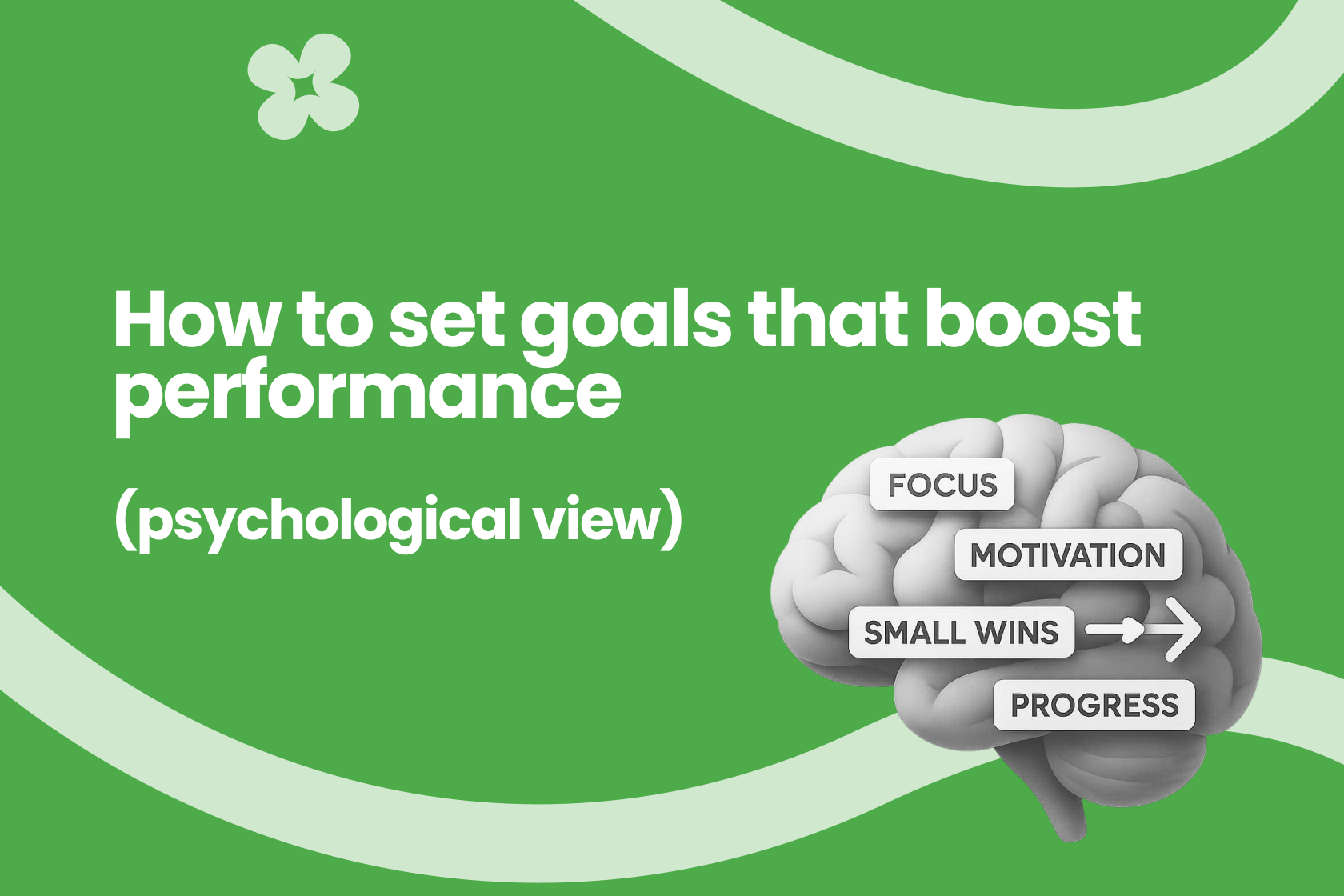
Goal-setting isn’t just a corporate exercise — it’s a psychological tool that drives motivation, engagement and performance. Research shows that organizations with clearer goals have 13% higher employee engagement and teams working on specific, ambitious goals perform 90% better. Yet many HR teams face common challenges: unclear goals, lack of measurement and employee resistance. In this article, we look at the basic psychology of goal setting and offer practical strategies that HR leaders can use right now.
Why goals matter: the psychology of motivation
Goal setting is based on Locke and Latham's goal-setting theory (1990). Their research shows that specific, challenging and ambitious goals encourage focus, effort and persistence, while vague, unspecific goals are demotivating and lead to burnout.
The Progress Principle, from Amabile and Kramer (2011), adds another layer: found that regular small wins (which we call micro-goals) boost motivation, emotional energy and engagement.
Implementation Intentions, a technique developed by Peter Gollwitzer, have been proven to bridge intention-action gaps. The concept of implementation intentions turns good intentions into real action by creating “if-then” plans (e.g. “If X happens, I will do Y”) — significantly boosting success in workplace behavior.
Together, these findings show why good goals work and why poorly or no follow-through ones, cause anxiety, disengagement and bad performance.
Common goal-setting mistakes that kill engagement
Even when intentions are good, poorly designed goals can lead to frustration, disengagement or even burnout. Research consistently shows that goals need to follow some basic psychological principles to be effective. When these are ignored, employees may not just lose motivation — they may actively resist the process.
One common mistake is goal overload. Setting too many goals at once spreads attention too thin. According to Harvard Business Review, cognitive overload increases decision fatigue and lowers task performance. When employees face dozens of targets, they tend to disengage from all of them not knowing where to focus.
Vague goals are another major issue. Gallup’s State of the Global Workplace report shows that only 30% of employees feel fully engaged and one of the top reasons is a lack of clarity around what is expected of them. If goals are not specific and measurable, employees are left guessing about success which reduces both motivation and confidence.
Additionally, goals disconnected from personal values or career purpose can feel meaningless. According to Deloitte’s Global Human Capital Trends report, employees (especially Millennials and Gen Z) are 2.5 times more engaged when they understand how their goals connect to larger organizational and personal purpose.
Another frequent pitfall is the lack of feedback or visible progress. The Progress Principle (Amabile & Kramer) shows that even minor signs of progress boost motivation and satisfaction. Without regular feedback or visible tracking of small wins, employees can lose their sense of momentum even when making real progress.
Finally, unrealistic or overly aggressive goals can backfire badly. Studies by Locke & Latham and Gollwitzer warn that unattainable goals increase the risk of stress, unethical behavior or helplessness. Employees can feel failed, which damages trust in leadership and overall wellbeing.
For HR leaders, the takeaway is clear: goal quality matters far more than quantity. By avoiding these common traps (overload, vagueness, disconnection, lack of feedback and unrealistic expectations) organizations can build goal systems that engage and inspire employees.
How to set goals that actually work
Setting goals that work isn’t just about filling out templates or following an annual cycle. It’s about designing goals that align with how people think, feel and behave at work. Psychology gives us strong evidence on what makes goals effective and what makes them fail.
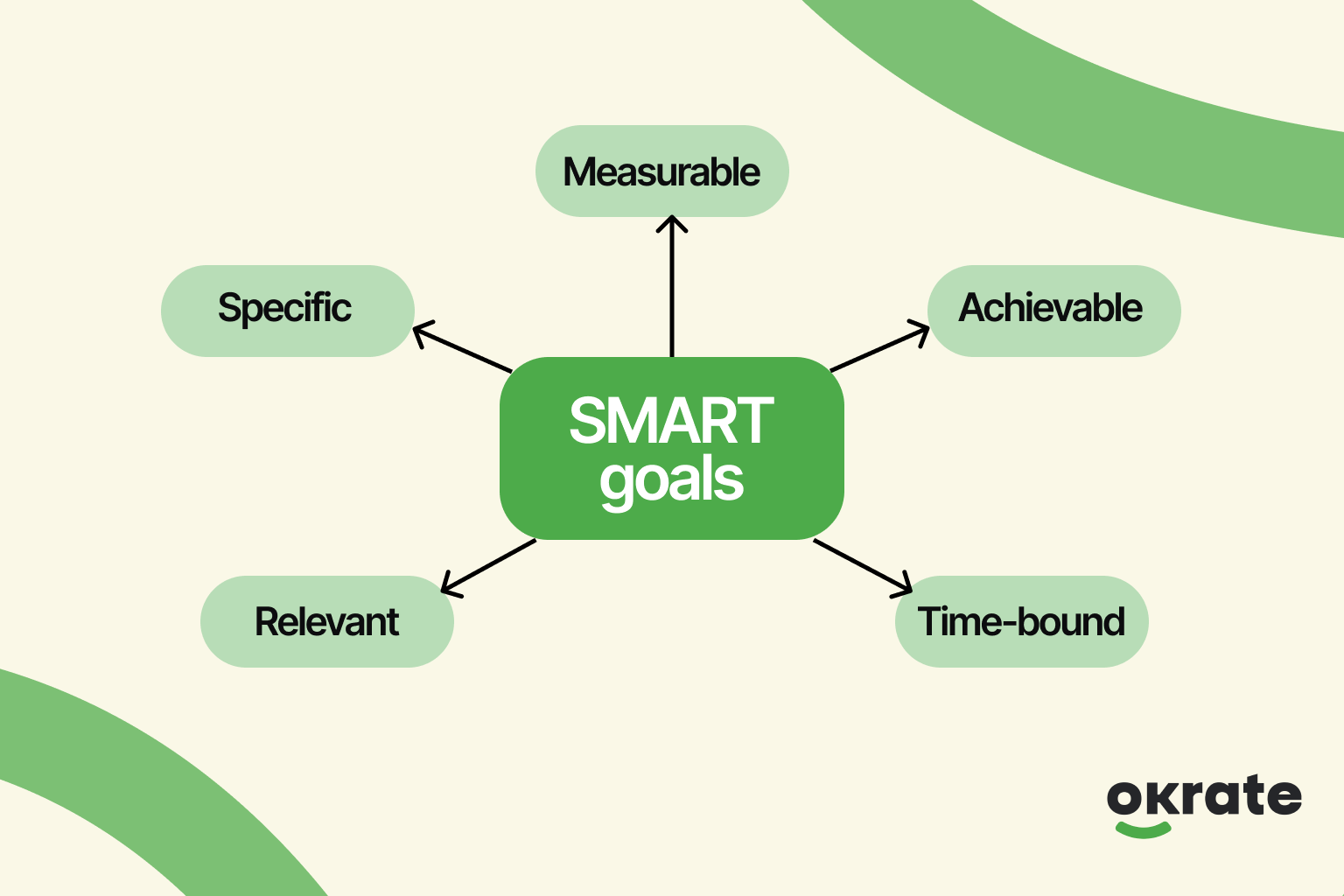
1) Goals should always follow the SMART model: Specific, Measurable, Achievable, Relevant and Time-bound.
2) Break big goals into micro-goals — smaller milestones that create daily or weekly “wins.” Research from The Progress Principle (Amabile & Kramer, 2011) proves that small progress is one of the strongest motivators in the workplace. Without it, even the most ambitious goal can feel overwhelming or too abstract.
3) Build regular feedback into goal cycles. One of the biggest problems in traditional systems is that goals get reviewed only at the end of a quarter or even a year. But weekly feedback can increase performance and engagement by over 30%. Employees need regular check-ins to know if they are on track, to adjust as needed and to stay connected to their goals.
4) Personalize goals. Not every employee needs the same style of goals. Senior staff may thrive on broad OKRs, junior or new employees may need smaller, learning-based goals. One-size-fits-all goals can have a negative effect, while personalization builds accountability and motivation.
5) Try to monitor how goal workload impacts well-being. Goals should motivate people, not overwhelm them. Employees with well-designed goals are nearly 2.5 times more likely to report a positive work-life balance. Leaders and HR should help managers review workload, review performance, and adjust goals as needed.
3) Build regular feedback into goal cycles. One of the biggest problems in traditional systems is that goals get reviewed only at the end of a quarter or even a year. But weekly feedback can increase performance and engagement by over 30%. Employees need regular check-ins to know if they are on track, to adjust as needed and to stay connected to their goals.
4) Personalize goals. Not every employee needs the same style of goals. Senior staff may thrive on broad OKRs, junior or new employees may need smaller, learning-based goals. One-size-fits-all goals can have a negative effect, while personalization builds accountability and motivation.
5) Try to monitor how goal workload impacts well-being. Goals should motivate people, not overwhelm them. Employees with well-designed goals are nearly 2.5 times more likely to report a positive work-life balance. Leaders and HR should help managers review workload, review performance, and adjust goals as needed.
Different goals for different people
One of the most common mistakes in goal-setting is applying the same system to everyone. The truth is that people, across generations, roles, and personalities, respond differently to goals.
- Gen Z employees (born 1997–2012) prefer flexible, collaborative and value-driven goals. They expect frequent feedback and transparency and they want to know how their work contributes to a company's purpose.
- Millennials (born 1981–1996) want goals that show career progression and learning not just output. They value teamwork and feedback loops.
- Gen X and Baby Boomers tend to prefer more stable, measurable goals, ones that reflect expertise and long-term contribution.
The same is true for career stage:
- Early-career employees may thrive when given smaller, learning-focused goals and clear milestones.
- Senior employees often seek autonomy and stretch goals paired with coaching rather than control.
Personality type also plays a role. For example:
- Analytical thinkers want data-driven, outcome-based goals.
- Creative thinkers may respond better to flexible goals tied to innovation.
For HR this means:
- Encourage managers to ask employees about their preferences.
- Help employees co-create their goals.
- Use personality models to guide goal design (see Decode Your Team: 3 Personality Models Every HR Should Know).
- Provide flexibility: some goals should be standardized (for consistency), but others must be personalized.
When employees feel that goals fit them and are not forced upon them, they are more engaged and motivated.
Why feedback and progress tracking are critical in goal setting
Feedback is not an extra, it’s central to any successful goal process. Without visible progress, even good goals can fade into the background.
Why feedback matters:
- It reinforces effort and maintains motivation.
- It provides an opportunity to adjust goals or change direction.
- It prevents surprises or disappointment during formal reviews.
Employees who receive weekly feedback are:
- 2x more engaged
- 3x more likely to feel like their goals are achievable
- 2.5x more likely to rate their work-life balance positively
Best practices for HR and managers:
- Build in weekly or bi-weekly check-ins.
- Track micro-progress, not just final outcomes.
- Share goal dashboards (employees should always know where they stand).
- Use peer feedback and team check-ins to create a culture of support.
- Train managers to give feedback that is regular, constructive and empathetic.
Effective goals reflect how people actually think and work. They are personal, visible, connected to purpose and built on real feedback. When HR ans managers are designing goals that motivate rather than overwhelm, companies see stronger performance, healthier employees and more engaged teams.